
Separate the insect from the damage
A fast-moving insect in a wardrobe is a reason to look more closely, not to throw away its entire contents. Photograph the insect and the place where it appeared. Separately photograph any damage to fabric, paper or packaging. This creates two pieces of evidence: what is present and what may have been affected. A hole found in an old garment may predate the current sighting, and damage without an identified insect can have more than one explanation.
The Victorian Department of Health's silverfish technical note describes wingless, tapered insects with long antennae and rear appendages, often found in dark storage areas. Its advice emphasises inspection before treatment. Use a clear specimen photograph for identification rather than chasing the insect through the room or spraying the shelf before anyone has seen it. Note if insects are repeatedly associated with a particular box, cupboard corner or adjoining bathroom.
If you have found webbing in food rather than damage to stored household items, start with the pantry pest guide. If the concern followed travel and involves a sleeping area, use the bed bug inspection guide. These are different investigations. Giving a booking person the location and evidence is more useful than naming the pest you hope a general spray will cover.
Protect the belongings you cannot replace first
Make a short priority list before starting a large wardrobe clear-out. Family photographs, certificates, signed books, fabric keepsakes and archival papers deserve a different handling decision from empty packaging. Take condition photographs of valuable items without forcing brittle pages open. Keep associated envelopes and labels together so the item's history is not lost during cleaning. If an object is already fragile, ask a conservator about handling rather than experimenting with water, heat, chemicals or vigorous brushing.
The National Archives' integrated pest management guidance treats silverfish as a threat to records and stresses prevention and monitoring. For a household, that means avoiding direct pesticide application to valuable papers and making their storage easier to inspect. A pest contractor can address the room; a conservator can advise on the object. Ask the two providers to keep those responsibilities clear before either service starts.
Set aside an identified, clean working area for examining items, and keep suspect boxes separate from checked belongings. Do not spread every box through several bedrooms when the source is still uncertain. Label where each box came from and what you have observed. If relatives help sort a deceased estate or a long-closed spare room, give them the same handling instructions. A consistent record is more useful than multiple well-intentioned piles that nobody can later match to their original cupboard.
Inspect the storage arrangement, not just the floor
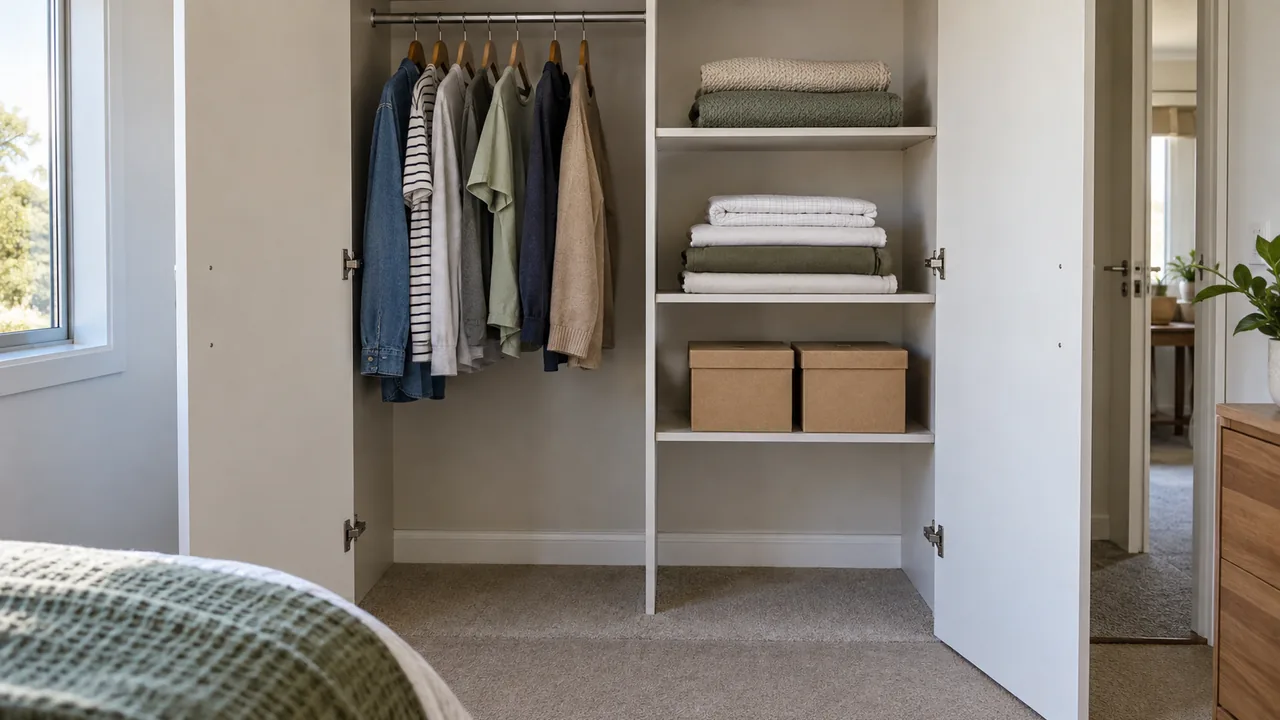
Look at how the cupboard is packed. Are boxes pressed against the back wall? Can you see the bottom shelf? Do stacked containers prevent the door from opening fully? Write down what is inaccessible before deciding how to rearrange it. The goal is a storage layout you can revisit without emptying the entire room. Heavy containers should not have to be lifted from above shoulder height just to check for fresh activity; make the inspection routine physically achievable.
Choose manageable groups of belongings and keep their origin labels during the inspection. A suitcase of spare linen, a box of school papers and a shelf of shoes may have different evidence. Do not assume that one insect on the floor makes all three affected. Check the containers themselves, including lids, folded packaging and the base where debris gathers. Remove unnecessary outer cartons when the contents can be housed appropriately elsewhere, while retaining any product instructions or identification that matter.
The University of California's silverfish guidance includes reducing harbourage and suitable food sources as part of management. Translate that into a specific change, such as replacing damaged cardboard storage with appropriate closable containers. Do not seal damp papers or clothing into a box merely to hide the problem. Decide what can be stored safely, what needs drying or conservation advice and what can be discarded before choosing containers.
Investigate why this cupboard stays damp
In a Cairns home, do not dismiss a persistently damp cupboard as simply the climate. Describe what you can observe: musty contents, staining, condensation, swollen cabinet material or a pattern following use of an adjoining bathroom. These observations do not identify the cause, but they give a plumber, building professional or ventilation specialist a starting point. Record whether the condition is new and whether the cupboard was previously packed differently.
Compare the affected space with another cupboard used in a similar way. This can reveal a practical difference such as a blocked vent, a wall against a wet area or tightly packed storage that prevents you noticing a leak. Do not diagnose concealed waterproofing or structural problems yourself. If there is persistent moisture, ask for the cause to be assessed and the repair scope to be explained separately from insect treatment. A pest visit is not a certificate that the wall is dry.
Ask how you should check the area after a repair and before returning valuable contents. Opening the door occasionally may help you inspect it, but it is not evidence that a concealed fault has been fixed. Keep observations and repair records with the pest report. Where a rental or unit manager needs to arrange work, send factual photographs and locations so the request can be directed to the appropriate trade. That avoids several visits being booked under the vague description of bugs in a cupboard.
Clean for visibility and access
Once valuable and uncertain items have a handling plan, clean the accessible cupboard so new evidence is easier to recognise. Remove loose dust and debris with equipment suitable for the surface and contents. Do not direct a vacuum into electrical fittings or dismantle fixed cabinetry to reach a hidden void. Photograph the empty cupboard, including any cracks or damaged joins, and record which parts could not be reached. A clear baseline is valuable when the next inspection happens weeks later.
Use the shelf and furniture manufacturer's cleaning guidance where available. Avoid applying fragrances, essential oils or insecticide mixtures to clothes and paper as a substitute for identifying the problem. These can introduce staining or exposure concerns while leaving the inaccessible location untouched. If treatment is proposed, ask what needs to leave the cupboard and what should remain for inspection. The preparation instructions should account for the contents, not assume the wardrobe is an empty hard-surface box.
Replace the belongings in a layout that makes the back, base and corners inspectable. A shelf that can be checked without unloading every item is more likely to be checked. Keep a small location map for boxes of important papers so that any later sighting can be traced to the right group. In a busy family home, use labels everyone can understand rather than a system known only to the person who did the original clear-out.
Use monitoring to narrow the next decision
Ask the pest professional whether insect monitors would help establish where activity is concentrated. Agree on placement and checking instructions, especially where children or pets may reach them. Mark the location and start date and photograph catches before replacing anything. A monitor is a source of evidence, not a treatment promise. Its usefulness depends on knowing what it caught and being able to compare the same place over time.
Keep the sighting record short enough to maintain: room, location, date and photograph if available. Note changes such as a plumbing repair, removal of stored cartons or a rearranged wardrobe alongside the observations. If activity decreases after several changes, you may not know which contributed most, but the record still shows what was done. Avoid repeatedly changing every monitor and cleaning every surface without recording it, because that makes it harder to decide what to inspect next.
Report newly affected material separately from another insect seen in the same old location. Fresh damage to a previously checked item may need faster attention than an isolated sighting away from valuables. Ask the technician what would trigger a revisit or a wider investigation. The outcome you want is a defined next action based on evidence, rather than a standing instruction to buy more pesticide whenever somebody notices movement near the skirting.
Compare targeted control with a general visit
When booking, explain whether your main concern is occasional sightings, damaged belongings or widespread activity across several rooms. These require different inspection priorities. Ask whether the visit includes checking the storage itself, assessing accessible harbourages and recommending non-chemical changes. A general pest service may include silverfish within its advertised scope, but that does not necessarily include sorting cupboards or assessing important paper collections.
Get the proposed treatment locations and preparation instructions in writing. Ask how clothing, books, bedding and household members will be protected, and which areas must remain out of use. Discuss any sensitivities and practical access limits before the appointment. If a technician proposes treatment in a roof or wall void, ask what evidence supports that location and what access is required. You should be able to understand the purpose without being expected to interpret a chemical label on their behalf.
Keep moisture repair, storage improvement, insect treatment and object conservation as separate lines in the plan. One provider may coordinate several parts, but each part should still have an owner and a way to check completion. For a Cairns home that is closed while its owners travel, name the person who will inspect the storage and report changes between visits. The most useful lasting result is a room that can be monitored and maintained, with valuable belongings protected and unresolved building issues clearly identified.